Author: SCG

The third meeting of the Russian-Azerbaijani Expert Council (RAEC) was held in Baku

,

Politics

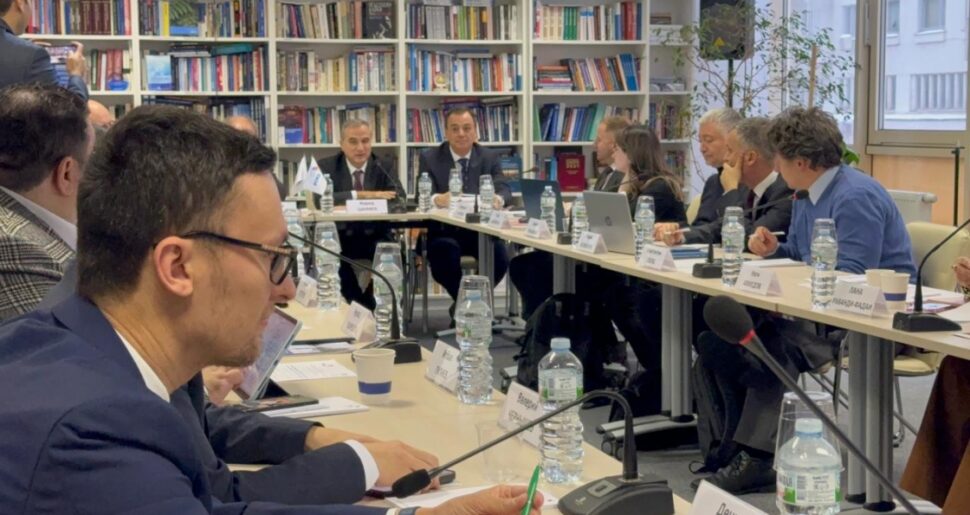
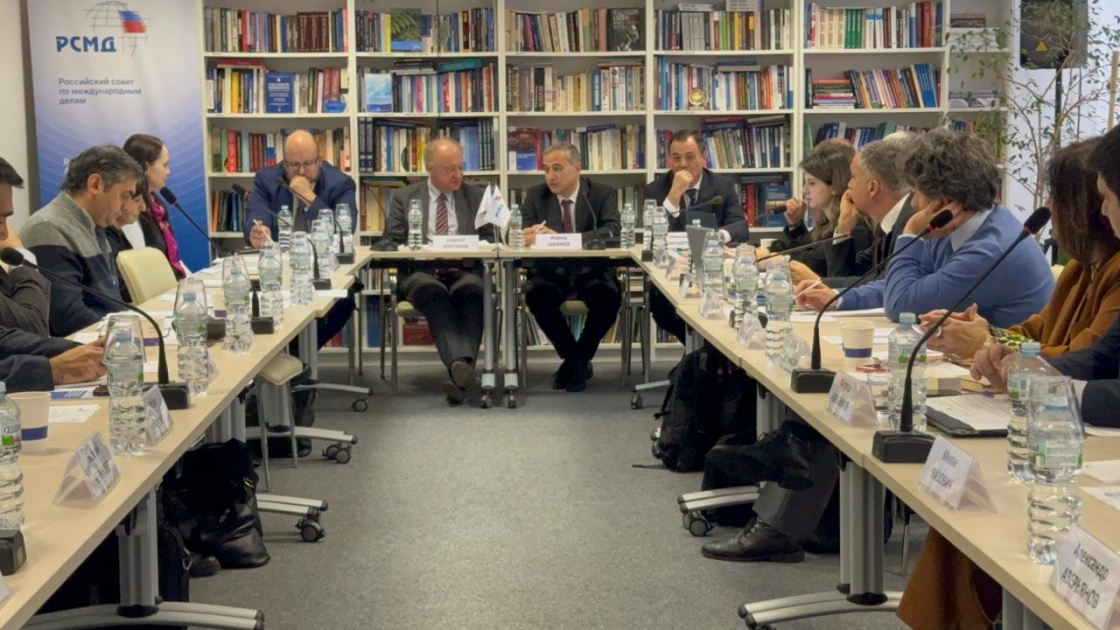
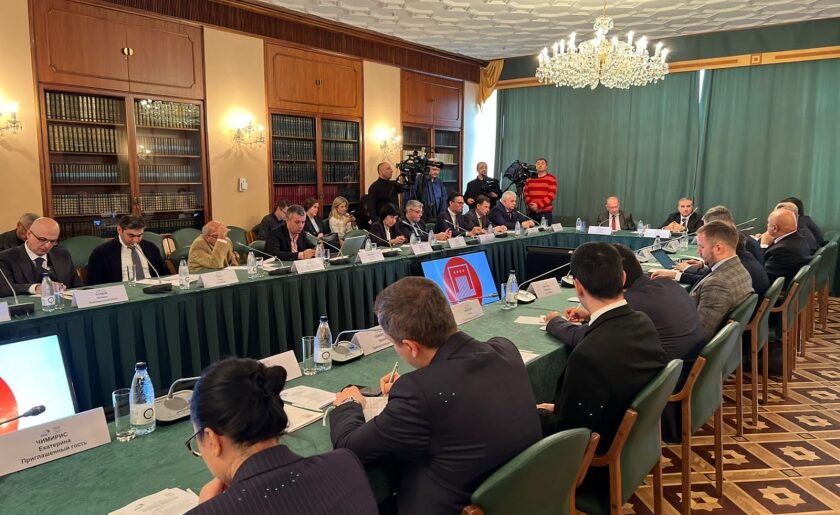
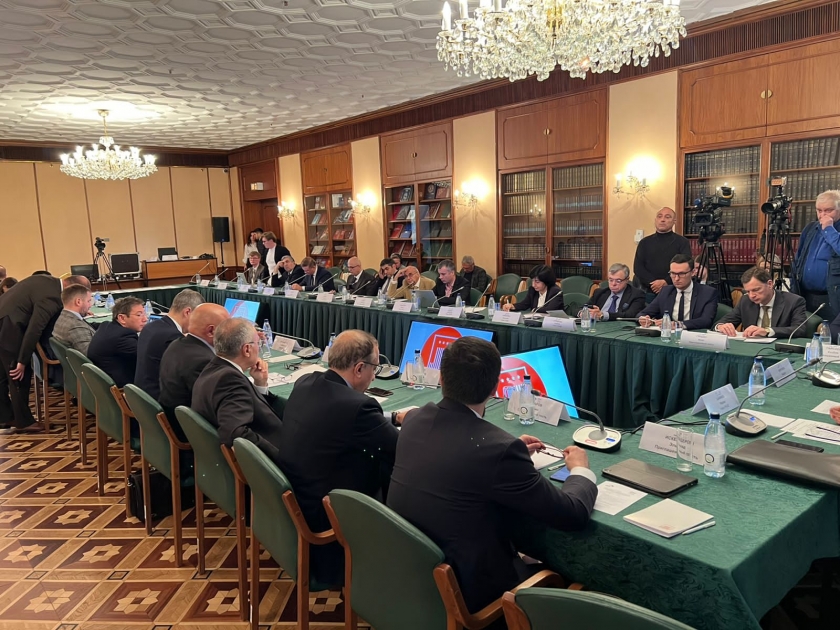
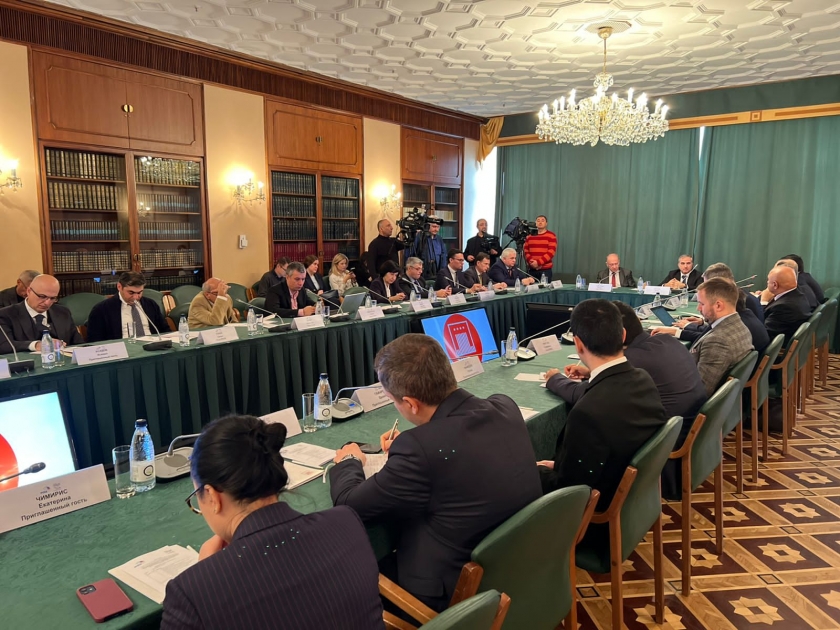
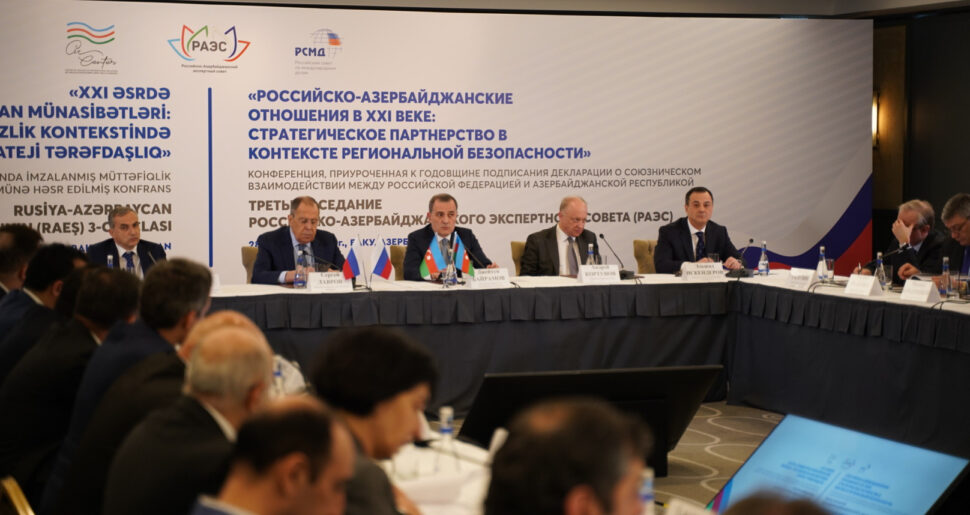
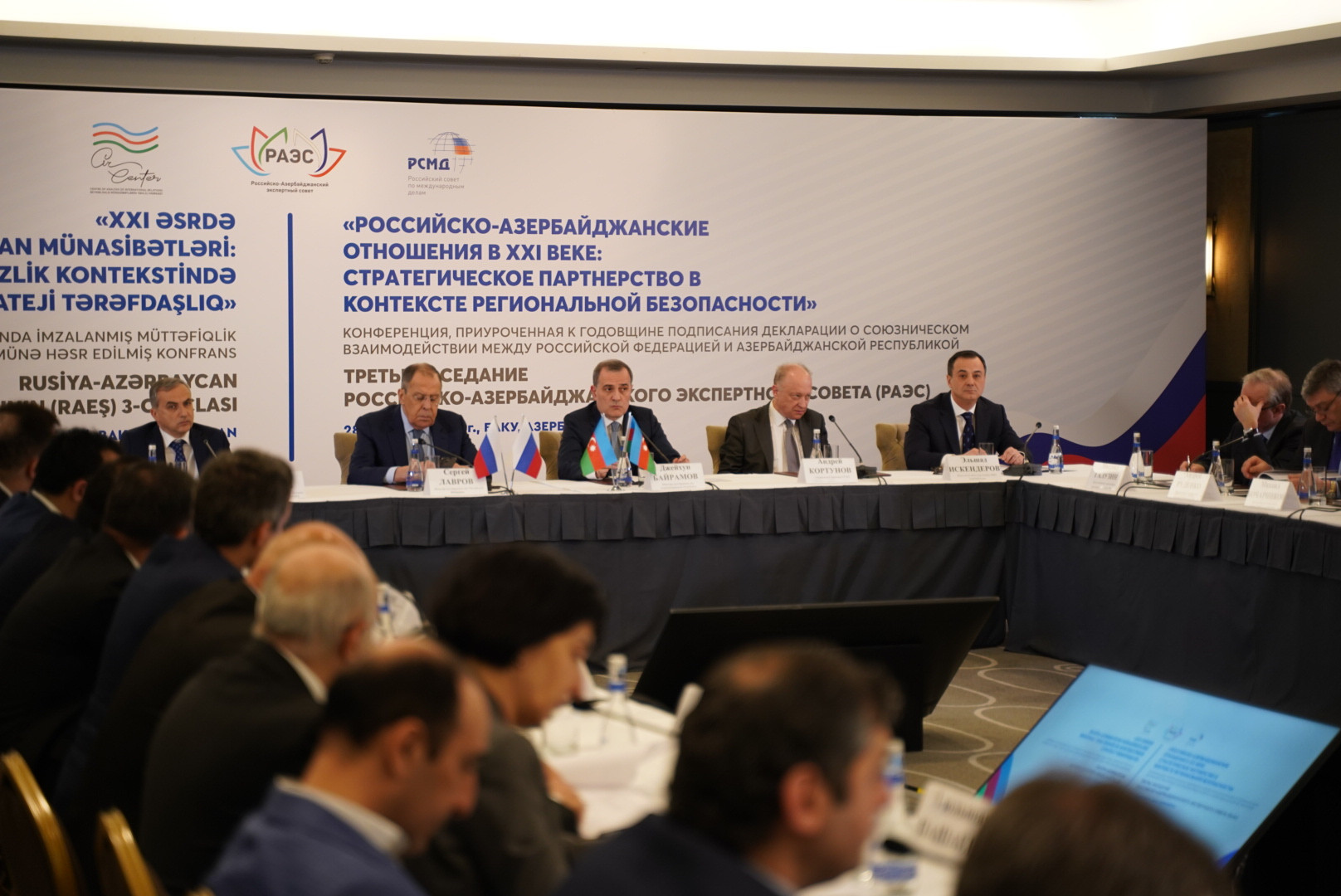
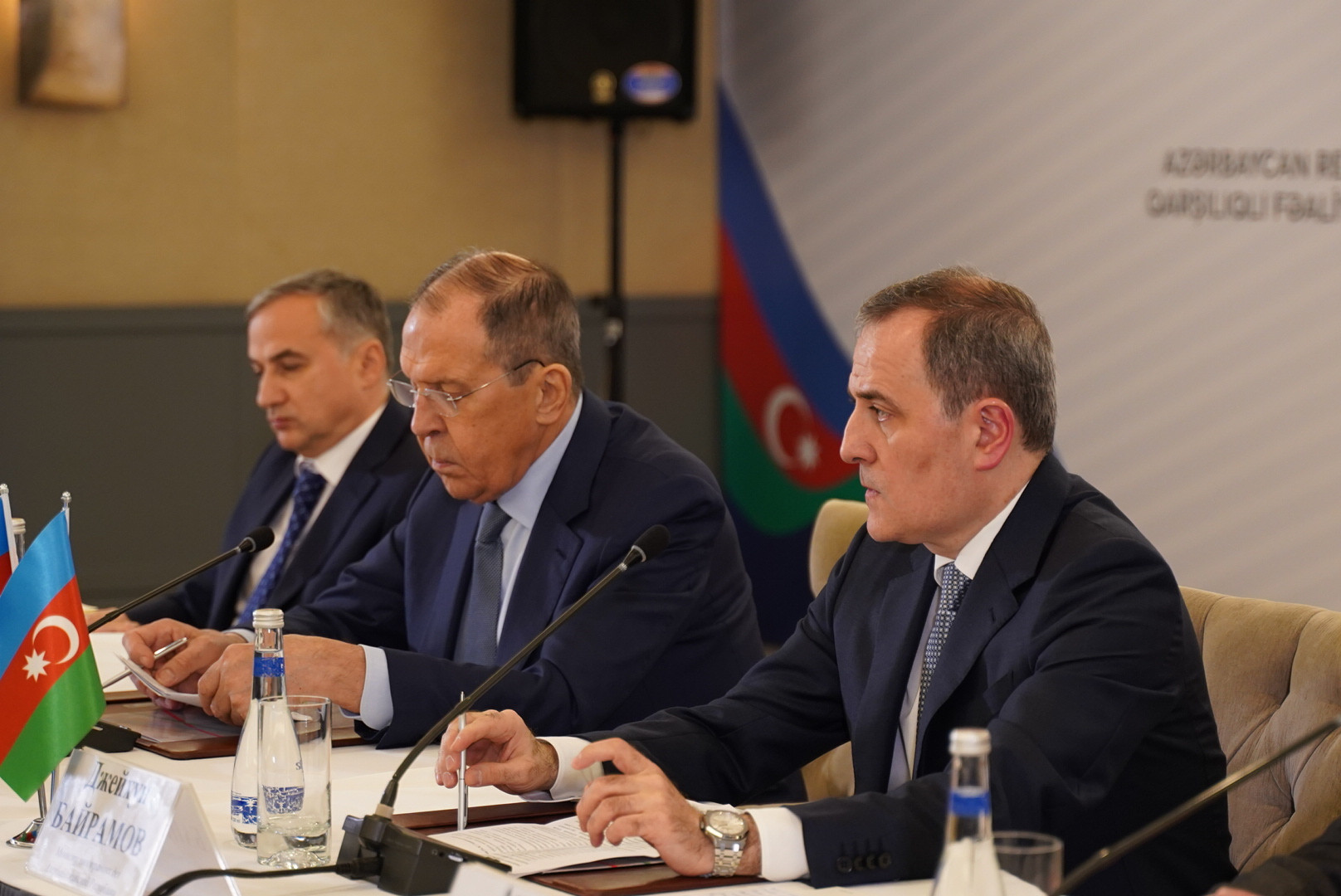
The third meeting of the Russian-Azerbaijani Expert Council (RAEC) was held in Baku on February 28, 2023. The conference was titled “Russian-Azerbaijani relations in the 21st century: strategic partnership in the context of regional security” and coincided with the anniversary of signing the Declaration on allied interaction between the Republic of Azerbaijan and the Russian Federation. The event was organized by the Center for Analysis of International Relations (AIR Center) of Azerbaijan and the Russian International Affairs Council (RIAC).
Speaking at the high-level plenary session, Foreign Ministers of Azerbaijan and Russia Jeyhun Bayramov and Sergey Lavrov touched upon the positive dynamics in the development of bilateral relations between Moscow and Baku, based on a high level trust, mutual consideration of interests and pragmatism between the President of the Republic of Azerbaijan Ilham Aliyev and Vladimir Putin of Russian Federation. "Stable, predictable, and most importantly, sovereign policy makes Azerbaijan a valuable partner of the international community, including to Russia," said the Foreign Minister of Azerbaijan.
Both ministers stressed out the importance of the expert dialogue in terms of putting forward new ideas and evaluating the effectiveness of certain initiatives.
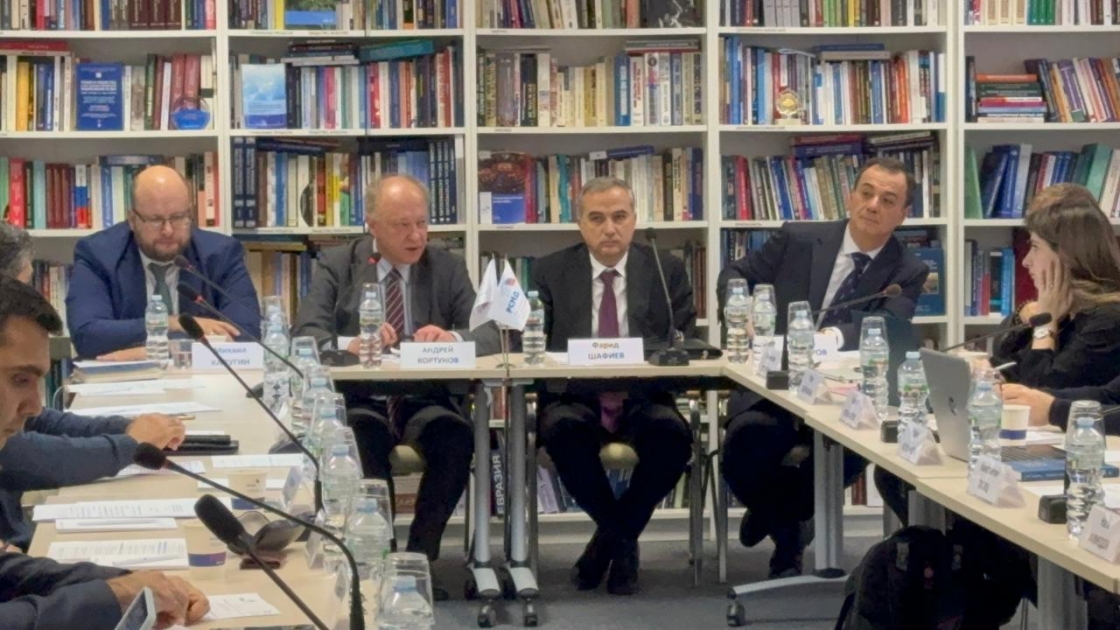
During the plenary session, the AIR Center Chairman Farid Shafiyev and the RIAC General Director Andrey Kortunov reported on the activity of the RAEC. They emphasized on the expediency of developing further direct contacts between Russian and Azerbaijani experts, aimed both at deepening the strategic partnership between the two countries as a whole and at a clearer understanding of approaches to global and regional issues.
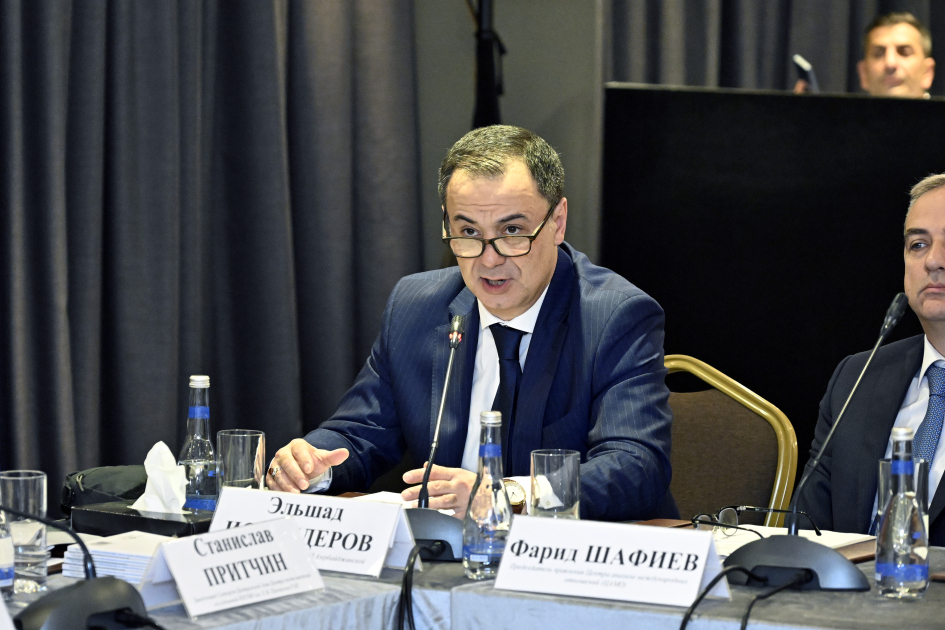
The moderator of the session, Ambassador-at-Large of the Ministry of Foreign Affairs of the Republic of Azerbaijan Elshad Iskenderov noted that the participation of the Foreign Ministers of the two countries in the RAEC meeting is an indicator of what has been achieved in a short period since the establishment of a high level expert activity of the Council, which is in demand by the foreign policy communities of both countries.
During the session, the Ministers of Foreign Affairs were presented with commemorative copies of the first edition of the RAEC, compiling  articles by Russian and Azerbaijani experts titled "30 years of diplomatic relations between Russia and Azerbaijan: achievements and perspectives."
During the discussions within the closed interactive dialogue sessions of the conference, the RAEC participants discussed Russian-Azerbaijani cooperation in political, economic, humanitarian and other spheres as well as approaches of Russia and Azerbaijan to the security architecture in the South Caucasus. In this regard, the commitment of Russia and Azerbaijan to the full implementation of the provisions of the Trilateral Statements of the leaders of the Russian Federation, the Republic of Azerbaijan and the Republic of Armenia of  November 9, 2020, January 11 and November 26, 2021, October 31, 2022 was emphasized once again. It was also mentioned that the positions of Moscow and Baku on the consistent strengthening of the peace agenda in the South Caucasus, turning it into a region of sustainable peace, prosperity and stability are close.
On the topic of building a new regional transport and logistics infrastructure, experts noted that such complex projects as  the “North-South” ITC, require active political and diplomatic efforts, a growing economy and a favorable business environment from all transit countries in order to be successful. An important condition for this is the willingness of the parties concerned to respect the sovereignty and legitimate interests of each other.
As a result of the meeting, the RAEC participants adopted a communiqué, which reflects the Council's practical recommendations regarding various aspects of deepening relations between the two countries. In particular, the expediency of submitting recommendations of the Council meeting to the relevant platforms of bilateral cooperation; the commitment to the earlier decision to hold meetings of the Council on a regular basis, as well as the usefulness of more frequent interim consultations of Council members between formal meetings, were emphasized.
Baku hosted the fifth meeting of the Russia–Azerbaijan Expert Council.

,

Events, Politics

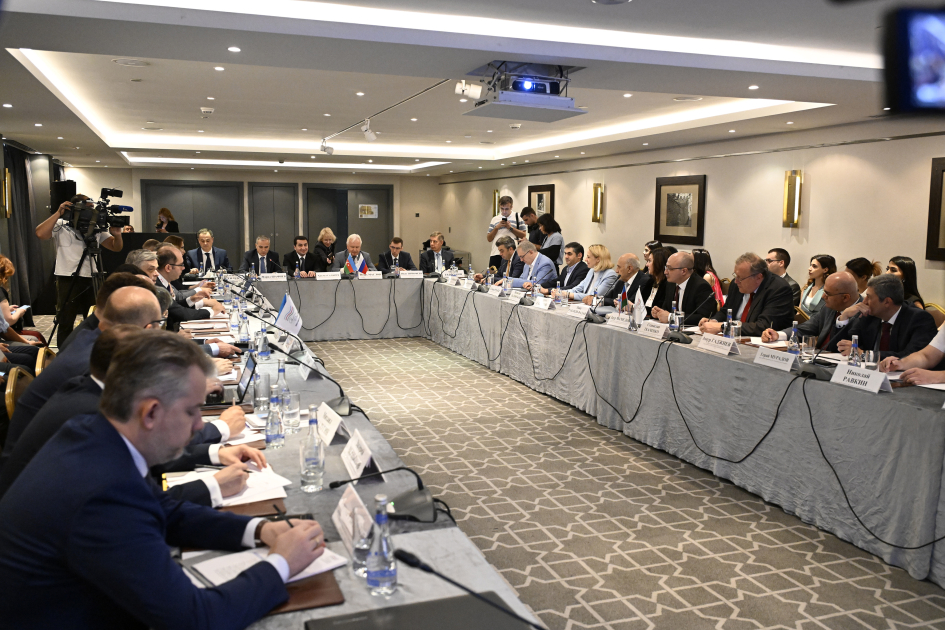
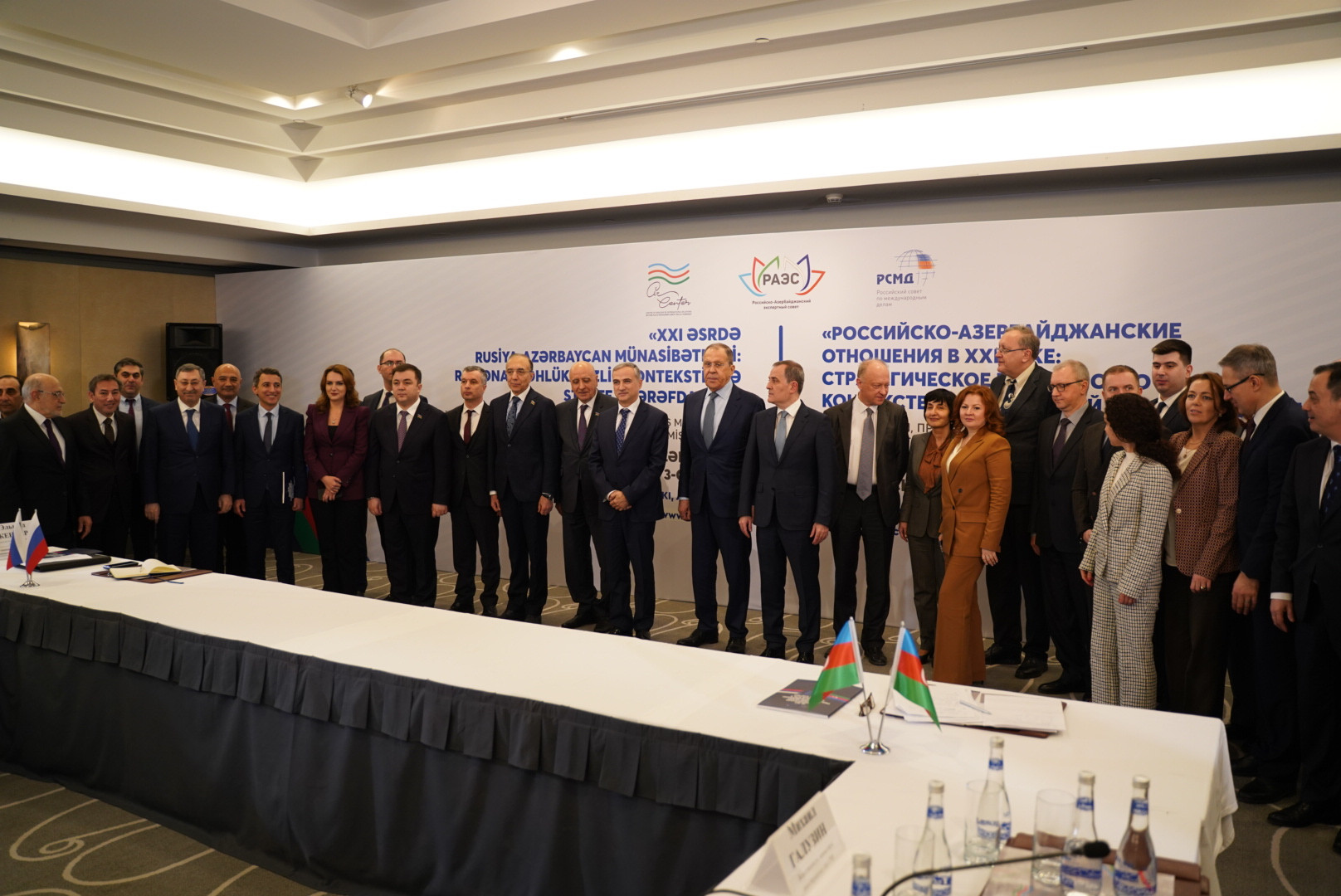
The fifth meeting of the Russia–Azerbaijan Expert Council (RAEC), themed “Cooperation between Russia and Azerbaijan within the Framework of Regional Projects and Initiatives,” was held in Baku.
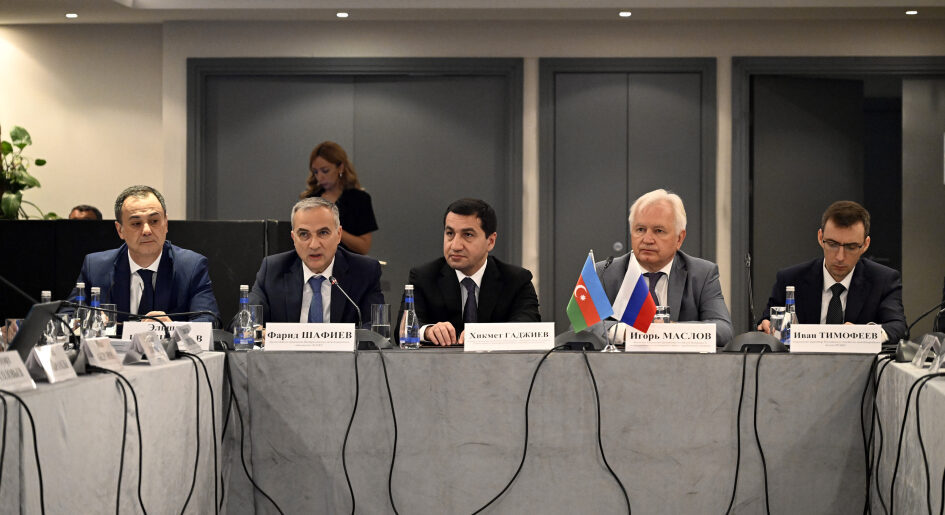
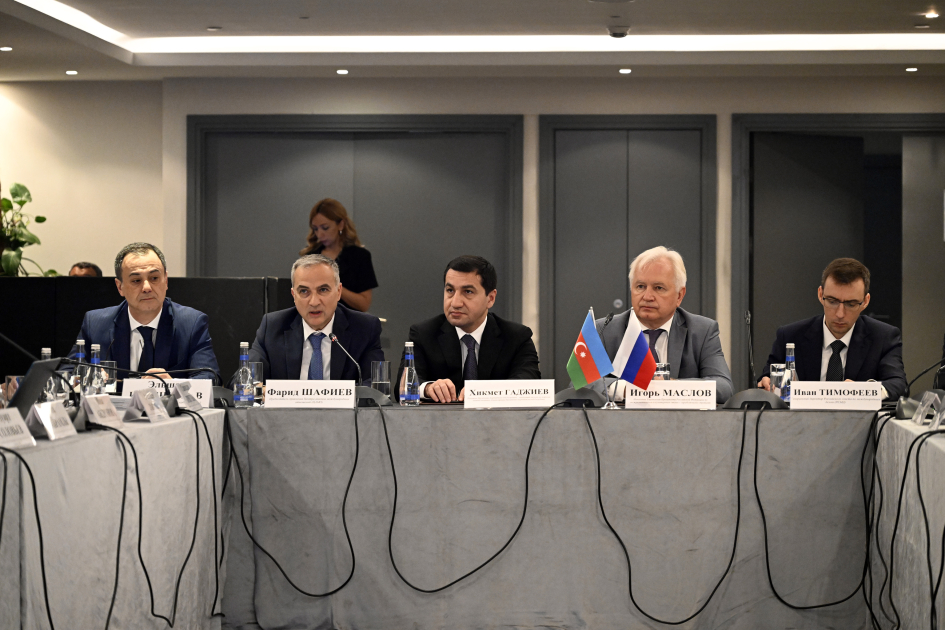
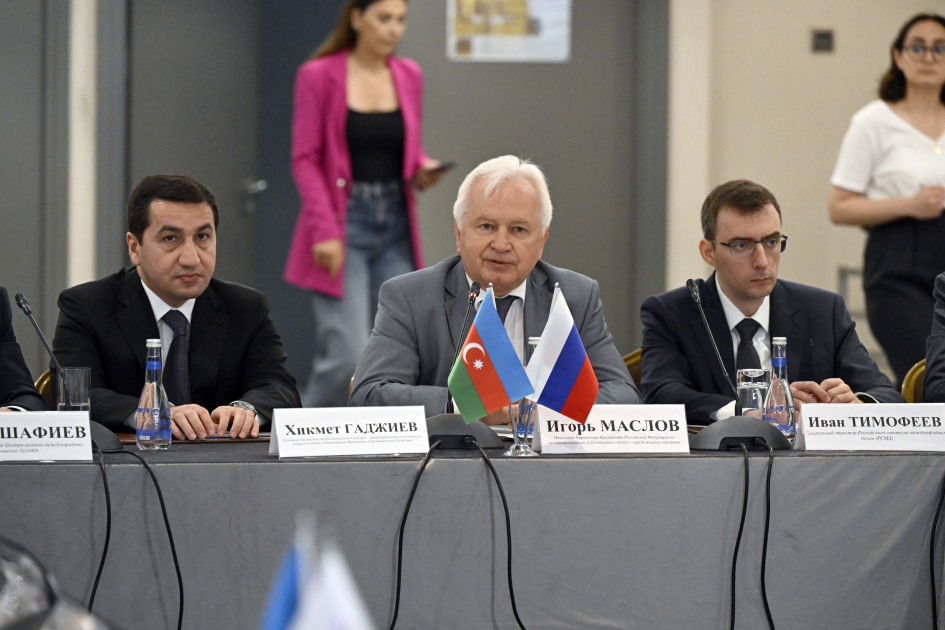
According to AZERTAC, the event was attended by Assistant to the President of the Republic of Azerbaijan and Head of the Foreign Policy Affairs Department of the Presidential Administration Hikmet Hajiyev, Head of the Office of the President of the Russian Federation for Interregional and Cultural Relations with Foreign Countries Igor Maslov, Ambassador-at-Large of the Ministry of Foreign Affairs of the Republic of Azerbaijan Elshad Isgandarov, Ambassador of the Russian Federation to Azerbaijan Mikhail Yevdokimov, Chairman of the Board of the Center of Analysis of International Relations Farid Shafiyev, and Director General of the Russian International Affairs Council Ivan Timofeev.
Moderating the event, Farid Shafiyev recalled that this platform was established in 2021 and emphasized the symbolic significance of holding the current meeting in the new reality following Azerbaijan’s full restoration of sovereignty over its territories. He noted that large-scale reconstruction and restoration efforts are underway in the territories liberated from occupation and that Azerbaijan will host COP29 this year. The moderator also stated that the meeting would feature discussions on a range of important regional issues, including transport, other key sectors, and regional security.
Assistant to the President Hikmet Hajiyev stated that relations between Azerbaijan and Russia are currently at their highest level. He stressed that the Declaration on Allied Interaction between the Republic of Azerbaijan and the Russian Federation is the logical outcome of consistent efforts undertaken over recent decades to strengthen bilateral relations.
According to Hikmet Hajiyev, a trend toward strengthening and expanding cooperation between the two countries is observed in the economic, cultural, humanitarian, and other spheres. “Interregional cooperation is expanding. Azerbaijan maintains ties with more than 70 constituent entities of the Russian Federation, and over 10 agreements on economic, trade, scientific, technical, and cultural cooperation are being implemented with Russian regions. Naturally, all of this has become possible thanks to the relationship based on personal trust and a high level of mutual understanding between President Ilham Aliyev and President Vladimir Putin,” he said.
Highlighting the growing global demand for transport arteries, Hikmet Hajiyev noted that Azerbaijan’s geographical location and substantial investments in transport infrastructure have enabled the country to become one of the key transport and logistics hubs on the Eurasian continent.
Speaking about Russia–Azerbaijan relations, the Assistant to the President emphasized that cooperation in the humanitarian and education sectors is also developing successfully. He noted that the Baku branch of Lomonosov Moscow State University and the Baku branch of I.M. Sechenov First Moscow State Medical University are operating successfully in Azerbaijan. “It is widely known that the Russian language is treated with great care in Azerbaijan. Approximately 140,000 children study in Russian-language sectors at around 340 schools. More than 15,000 Azerbaijani citizens are enrolled in Russian-language departments at Azerbaijani universities. This year, Russia Culture Days will be held in Azerbaijan, along with numerous cultural events. All of this will undoubtedly contribute to further strengthening ties between our friendly nations,” he said.
Hikmet Hajiyev expressed confidence that, thanks to the consistent policies pursued by the leaders of both states, bilateral relations will continue to develop along an upward trajectory and be enriched with new substance.
Head of the Office of the President of the Russian Federation for Interregional and Cultural Relations with Foreign Countries Igor Maslov stated that the decision to establish the RAEC expert platform in 2021 was both timely and effective. “Initially, it was planned that experts from the two countries would address pressing issues in bilateral relations, and in my view, we have fulfilled this task very successfully,” he said.
Igor Maslov noted that relations between the two countries entered a new phase in 2022, as a result of which the scope of mutual interests of Azerbaijan and Russia has expanded to include both regional and global issues.
According to Ambassador of the Russian Federation to Azerbaijan Mikhail Yevdokimov, Russia is interested in ensuring stability and prosperity in the South Caucasus and is ready to contribute to the normalization of relations between Baku and Yerevan. The Russian diplomat also emphasized the importance of resolving issues related to the Caspian region, noting that interference by external forces in regional affairs is unacceptable and that all issues can be resolved by the countries of the region themselves.
Ambassador-at-Large of the Ministry of Foreign Affairs of Azerbaijan Elshad Isgandarov emphasized that ensuring regional cooperation in the political and economic spheres and countering external destructive interference are key priorities. He expressed satisfaction with the successful holding of the fifth meeting of the platform bringing together experts from both countries, noting that the event is a clear example of how the desire to strengthen Russia–Azerbaijan relations is being translated into practice. “When this idea was first proposed three years ago, we emphasized that the meeting should not be a one-off event and that this initiative should yield concrete results,” he added.
Director General of the Russian International Affairs Council Ivan Timofeev spoke about the active engagement between the two countries at the level of governments and relevant agencies, noting that intensive exchanges at the level of regional authorities are a very positive indicator.
The meeting continued with sessions on “Priorities of Russia–Azerbaijan Allied Interaction,” “Current Formats and Aspects of Regional Cooperation between Russia and Azerbaijan,” and other topics.
At the conclusion of the meeting, recommendations of the Russia–Azerbaijan Expert Council were adopted.

Moscow hosted the fourth meeting of the Russia–Azerbaijan Expert Council.

,

Events, Politics

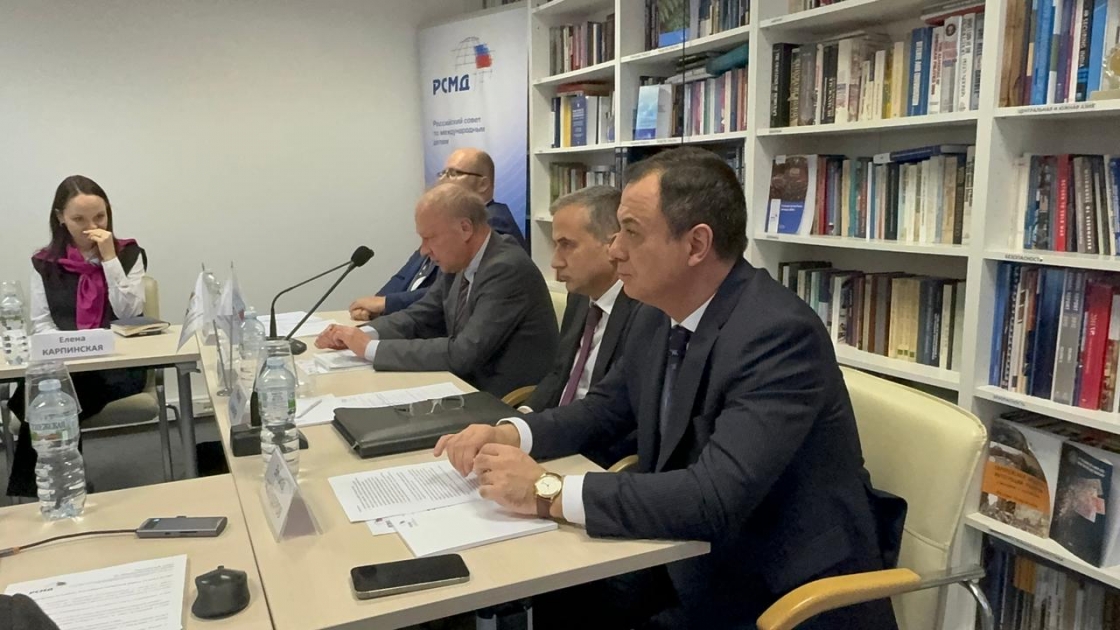
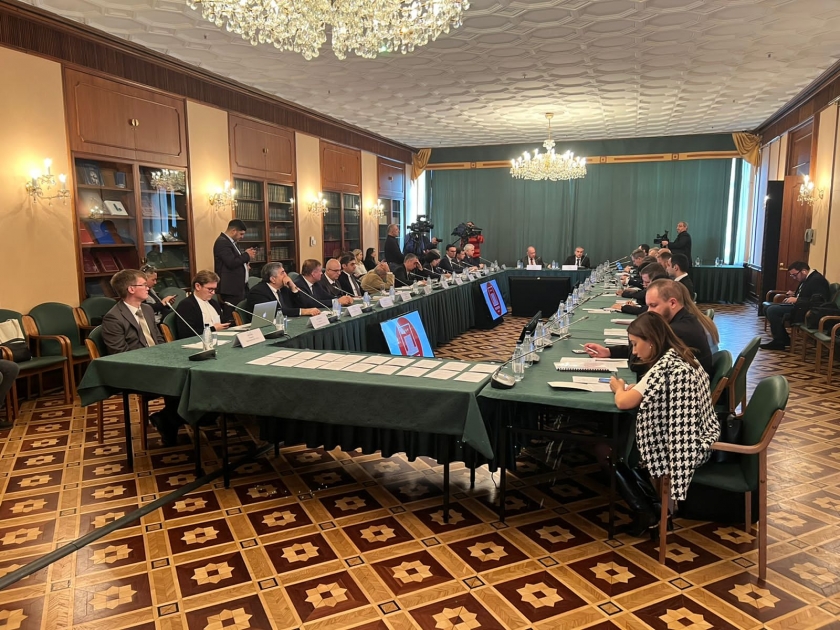
The fourth meeting of the Russia–Azerbaijan Expert Council was held in Moscow.
According to AZERTAC, the event, titled “Russia–Azerbaijan Interaction in the Context of Post-Conflict Development in the South Caucasus,” was jointly organized by the Russian International Affairs Council and the Center of Analysis of International Relations of Azerbaijan.
In their opening remarks, Ambassador-at-Large of the Ministry of Foreign Affairs of the Republic of Azerbaijan Elshad Iskandarov and Deputy Director of the CIS Countries Department of the Ministry of Foreign Affairs of the Russian Federation Mikhail Kalugin emphasized the strategic partnership character of Russia–Azerbaijan relations. They noted the closeness of Moscow’s and Baku’s positions in the post-conflict period in the South Caucasus, particularly with regard to countering the increasing destructive interference by non-regional states in recent times. The foreign ministry officials highly assessed the contribution of the Council’s activities to strengthening bilateral relations and shared their views on its future work.
Subsequently, Director General of the Russian International Affairs Council Ivan Timofeev and Chairman of the Board of the Center of Analysis of International Relations Farid Shafiyev highlighted the high level of expert engagement demonstrated by the Council in the short period since its establishment. They stressed the importance of direct contacts between experts of the two countries, as well as informing their respective publics about ongoing processes in the region.
During the closed sessions of the meeting, held in an interactive dialogue format, discussions focused on regional security challenges, cooperation amid global challenges, and strengthening regional cooperation within the 3+3 format in order to prevent new geopolitical risks, particularly in the South Caucasus. Regional connectivity issues, including the North–South Transport Corridor, the East–West route, and the Zangezur Corridor, were also at the center of attention.
The meeting also resulted in the adoption of a communiqué reflecting the Council’s practical recommendations on various aspects of developing bilateral relations. In the document to be submitted to the upcoming 12th Russia–Azerbaijan Interregional Forum, the relevant state bodies of both countries also deemed it appropriate to organize the Council’s activities on a permanent basis.

Moscow hosted a meeting of the Russia–Azerbaijan Expert Council.

,

Events, Politics

The second meeting of the Russia–Azerbaijan Expert Council (RAEC), dedicated to the theme “30 Years of Diplomatic Relations between the Russian Federation and the Republic of Azerbaijan: The Path Traveled and Prospects for the Development of Bilateral Relations in the Context of Regional and Global Cooperation,” was held in Moscow.
The event was organized by the Russian International Affairs Council (RIAC) and the Center of Analysis of International Relations (AIR Center) of Azerbaijan.
According to AZERTAC, the meeting was opened by RIAC Director General Andrey Kortunov and Chairman of the AIR Center Farid Shafiyev. Opening remarks were delivered by Deputy Chair of the State Duma Committee on CIS Affairs, Eurasian Integration and Relations with Compatriots Kazbek Taysayev, Ambassador-at-Large of the Ministry of Foreign Affairs of Azerbaijan Elshad Isgandarov, and Member of the Milli Majlis Nizami Safarov. The speakers emphasized that Russia–Azerbaijan relations rest on a solid foundation of mutual respect for national interests, shared historical roots, and a high level of trust between the leaders of the two countries—President of the Russian Federation Vladimir Putin and President of the Republic of Azerbaijan Ilham Aliyev.
In particular, Kazbek Taysayev noted that in Russia, high appreciation is given to President Ilham Aliyev’s contribution to the development of bilateral relations between Russia and Azerbaijan, the foundations of which were laid by Azerbaijan’s National Leader Heydar Aliyev. He added that the 100th anniversary of Heydar Aliyev’s birth will be widely commemorated in the Russian Federation next year, providing an opportunity to once again reflect on the role of this outstanding statesman in the shared history of the two nations.
Ambassador-at-Large of the Ministry of Foreign Affairs of Azerbaijan Elshad Isgandarov stated that over the 30 years during which Russia and Azerbaijan have interacted as independent states, their sustained strategic partnership can serve as a model of relations between sovereign actors in a multipolar world.
During discussions held in an informal setting and interactive dialogue format, speakers examined the approaches of Russia and Azerbaijan to shaping the security architecture in the South Caucasus under the new realities. In this context, it was reiterated that the positions of Russia and Azerbaijan coincide with regard to the need to advance the post-conflict agenda and to facilitate the early conclusion of a peace treaty based on the principles of mutual recognition of territorial integrity and respect for sovereignty, as reflected in statements prepared following the Prague and Sochi talks between Azerbaijan and Armenia.
It was noted that delaying this process creates negative conditions both for the emergence of additional sources of tension in the region and for the disruptive activities of external actors.
Members of the Russia–Azerbaijan Expert Council agreed on the necessity of strengthening cooperation between the parties in the sphere of regional economic development, fostering trust and sustainable peace in the South Caucasus, and enhancing bilateral cooperation in regulating global and regional transport and logistics communications. Particular emphasis was placed on ensuring the opening and unimpeded functioning of regional communications, especially amid turbulence in the international transport and logistics system, and on implementing the provisions of the trilateral statements related to the growing role of the North–South and East–West transport corridors in cooperation between the Russian Federation and the Republic of Azerbaijan.
Participants expressed their readiness to enhance the level of Russia–Azerbaijan mutual understanding, including through the regular convening of Council meetings. In this regard, the participants adopted an official document containing practical recommendations by the RAEC on various aspects of the strategic partnership between the two countries.

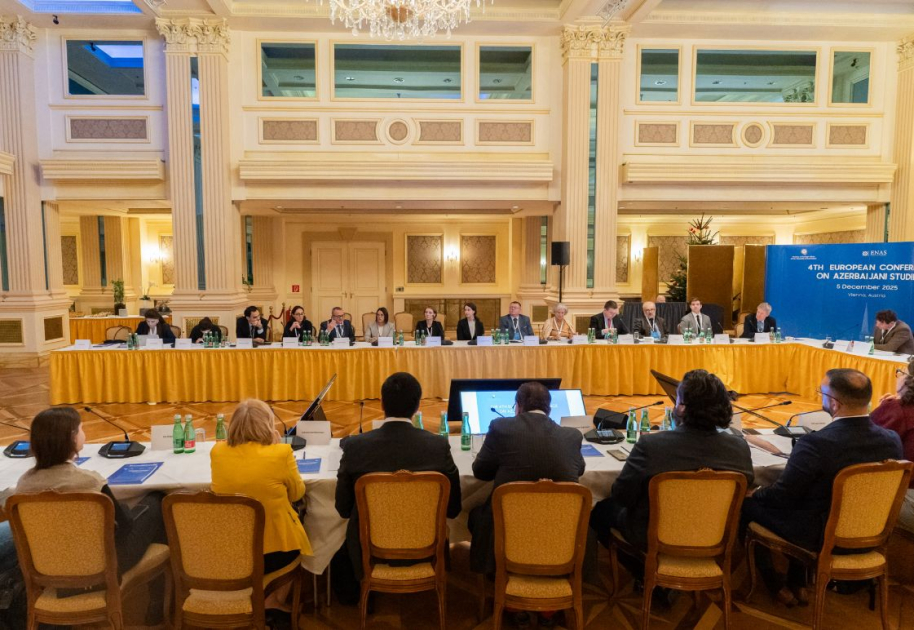
Vienna hosted the 4th European Conference on Azerbaijani Studies.

,

Events, Politics

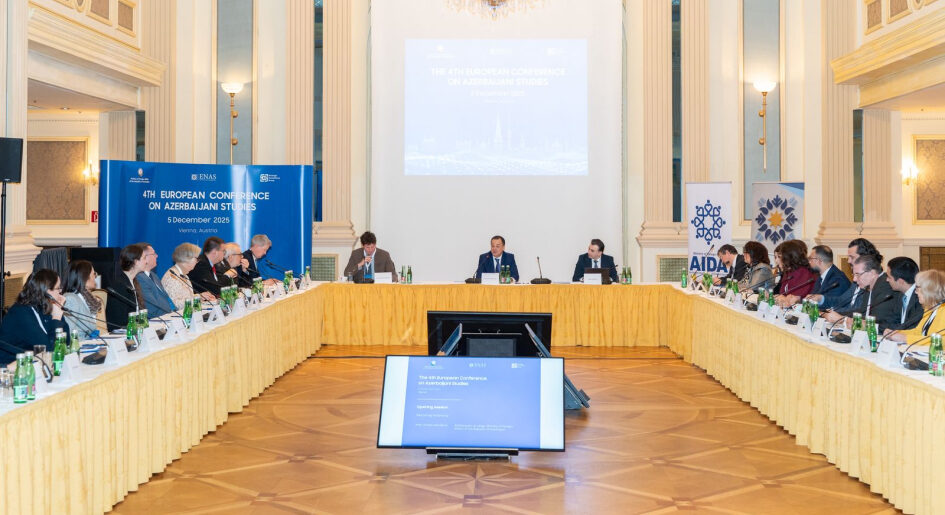
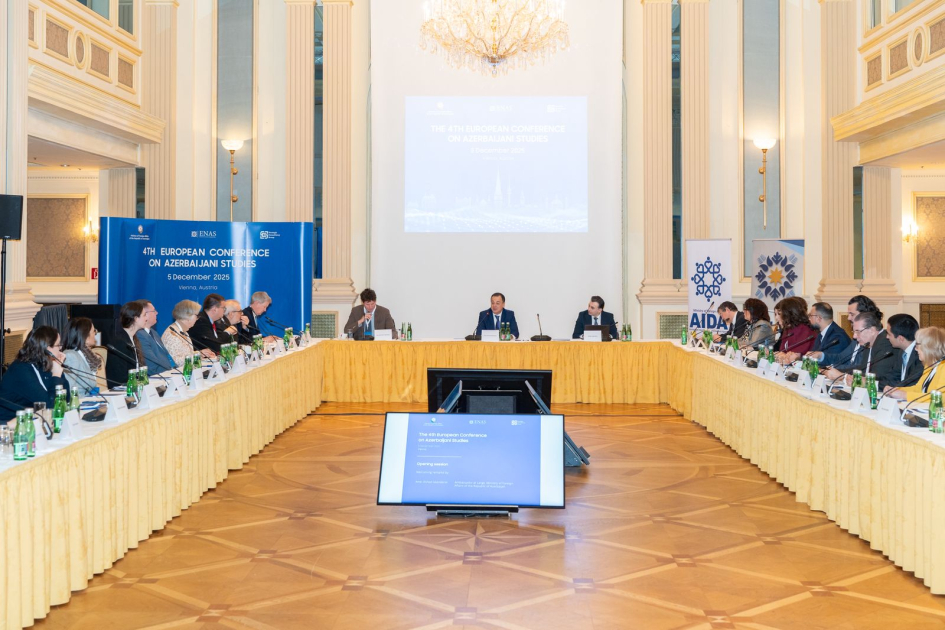
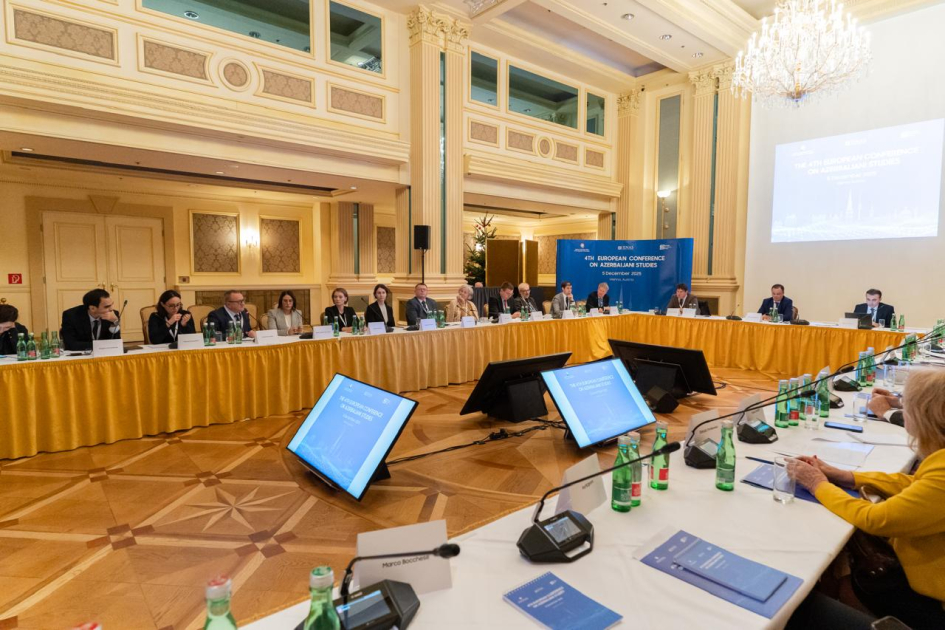
The 4th European Conference on Azerbaijan Studies commenced in Vienna, Austria.
This year’s conference, gathering 25 experts from 12 EU member states, focuses on Azerbaijan’s role as a “middle power,” and as a partner of European states.
Jeyhun Bayramov, Azerbaijan’s Minister of Foreign Affairs, also attends the conference, and will engage in direct discussions with the experts.
The event is co-organized by the European Network for Azerbaijani Studies and the Strategic Consultancy Group.

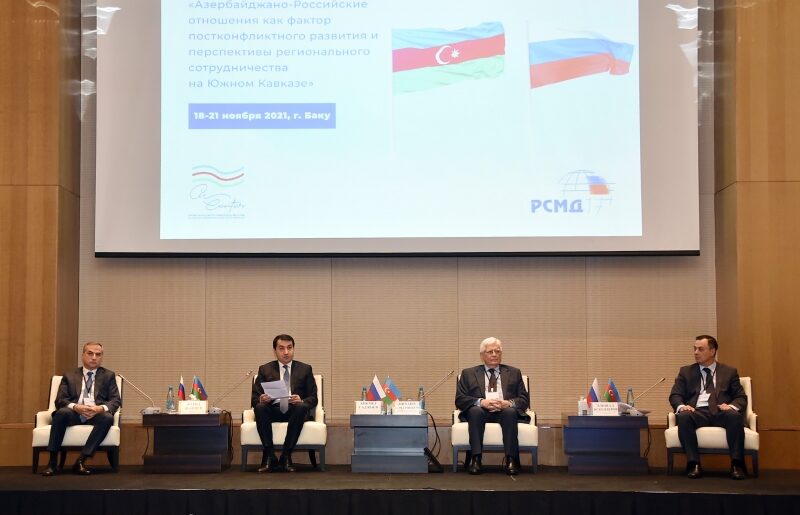
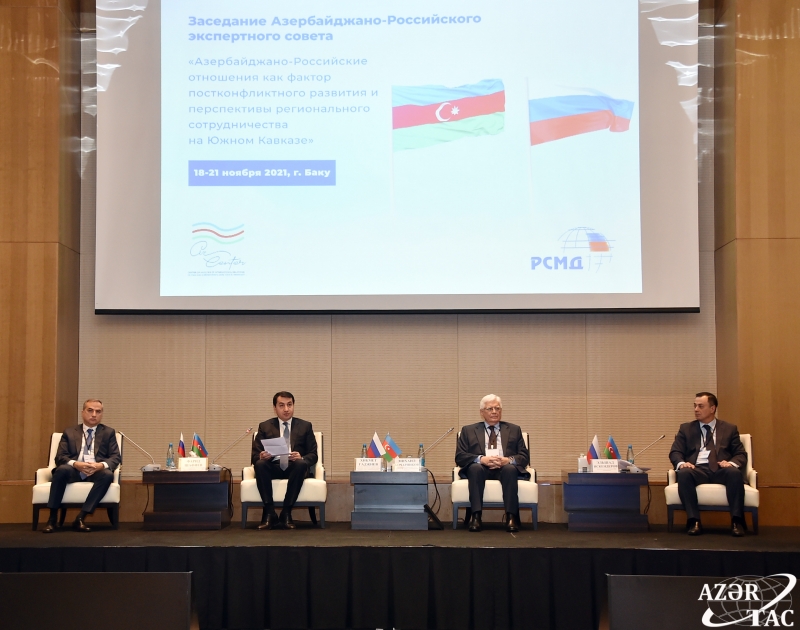
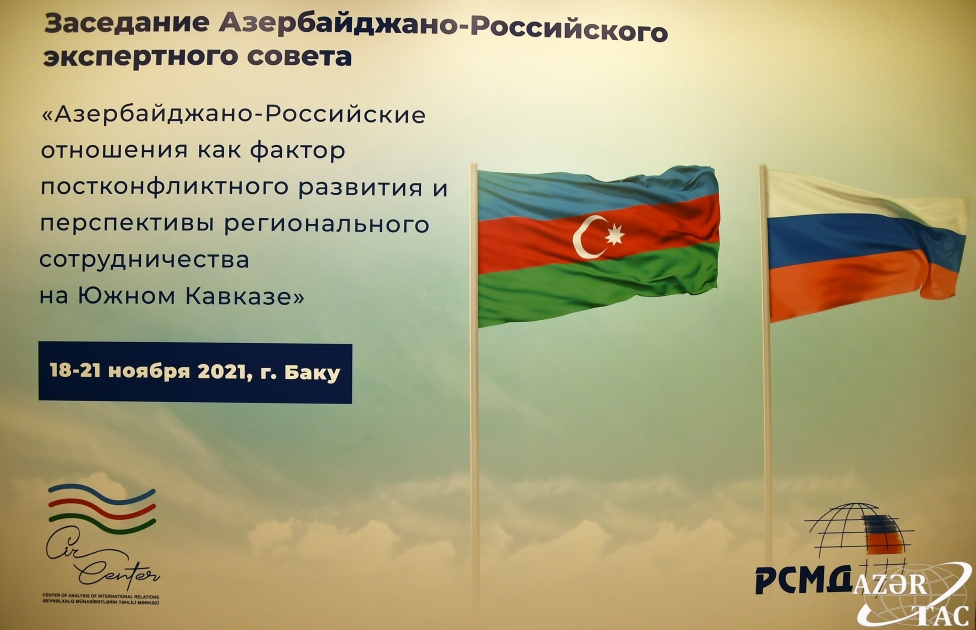
Baku hosted the first meeting of the Russia–Azerbaijan Expert Council.

,

Events, Politics

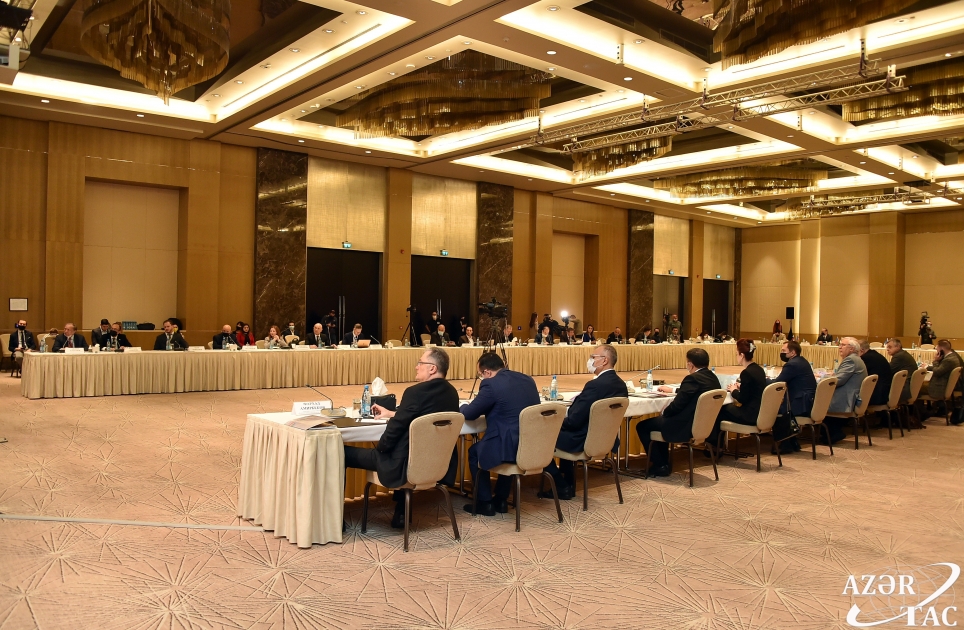
On November 19, the first meeting of the Russia–Azerbaijan Expert Council, titled “Azerbaijan–Russia Strategic Partnership as a Key Factor for Development and Prospects of Regional Cooperation in the Post-Conflict Period in the South Caucasus,” is being held in Baku.
The event is jointly organized by the Center of Analysis of International Relations (AIR Center) and the Russian International Affairs Council.
According to AZERTAC, the meeting is attended by Assistant to the President of the Republic of Azerbaijan and Head of the Foreign Policy Affairs Department of the Presidential Administration Hikmet Hajiyev, Director General of the Russian International Affairs Council Andrey Kortunov, Chairman of the Board of the AIR Center Farid Shafiyev, Ambassador Extraordinary and Plenipotentiary of the Russian Federation to Azerbaijan Mikhail Bocharnikov, Ambassador-at-Large of the Ministry of Foreign Affairs of Azerbaijan Elshad Iskandarov, and other participants.

Social Media

Contact

Location